




Car Speaker Guide: Choosing the Right Sound for Your Drive
Upgrading a car speaker is one of the most effective ways to improve driving comfort. Music lovers, daily commuters, and road trip enthusiasts often face the same question: Which speaker truly enhances my in-car audio experience?
This guide explores real pain points and provides actionable answers, ensuring you select a speaker that matches your expectations and budget.
Why a Quality Car Speaker Matters
A car’s factory-installed speakers are usually designed with cost efficiency in mind rather than superior audio. Over time, distortion, lack of bass, or weak treble frustrate drivers.
Key Features That Define a Good Car Speaker
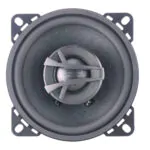
1. Speaker Size and Fitment
The wrong size creates installation issues. Always check your car’s manual or measure existing mounts before buying. Most cars fit 6.5-inch coaxial models, but options vary.
2. Frequency Response
Drivers want music that feels “alive.” A speaker with a wider frequency range reproduces deep bass and sharp highs more accurately.
3. Sensitivity and Power Handling
-
Sensitivity: Measures loudness per watt. Higher sensitivity means louder sound without demanding amplifiers.
-
Power handling (RMS vs peak): Ensures the speaker can manage your amplifier’s output without distortion.
4. Build Quality
Materials such as polypropylene cones, rubber surrounds, and textile tweeters extend lifespan and resist heat and humidity inside vehicles.
Types of Car Speaker and Their Benefits
Coaxial (Full-Range) Speakers
-
Affordable and easy to install.
-
Contain woofer and tweeter in one unit.
-
Best for budget upgrades.
Component Speakers
-
Separate woofers, tweeters, and crossovers.
-
Deliver clearer sound staging.
-
Suitable for enthusiasts seeking premium sound.
Subwoofers
-
Handle deep bass frequencies.
-
Add impact to hip-hop, EDM, or rock.
-
Require additional amplification and space.
How to Choose the Right Car Speaker for Your Needs
Step 1 – Define Your Listening Style
-
Talk radio & podcasts → Coaxial is enough.
-
Music lovers → Component speakers bring life to vocals and instruments.
-
Bass fans → Add a subwoofer for punchy low-end.
Step 2 – Match With Your Car’s Audio System
-
Stock head units → Choose high-sensitivity speakers.
-
Upgraded amplifiers → Select higher RMS-rated units.
Step 3 – Consider Installation and Budget
Some models require professional installation. Balance cost between the product and fitting service to avoid overspending.
Common Problems with Car Audio and How to Solve Them
1. Distortion at High Volume
Usually caused by low RMS handling. Solution: select speakers rated for your amplifier’s output.
2. Lack of Bass
Many factory speakers can’t reproduce low frequencies. Adding a subwoofer or choosing larger woofers solves this.
3. Uneven Sound
Placement matters. Tweeters should face listeners for better sound imaging.
4. Short Lifespan
Heat and moisture inside the car damage weak materials. Investing in durable car speaker units prevents early replacement.
Advantages of Upgrading Your Car Speaker
-
Enhanced clarity for both music and speech.
-
More enjoyable long drives with fatigue-free listening.
-
Higher resale value when your vehicle has a quality audio setup.
-
The ability to personalize sound according to taste.
Where to Buy Genuine Car Speaker Units
Only purchase from trusted retailers or official online stores. Fake or low-quality speakers often mimic design but fail to match the sound and durability of genuine models.
Final Thoughts
A well-chosen car speaker transforms the driving experience. By analyzing your needs, matching power requirements, and selecting the right type, you ensure better sound quality and longer service life. Don’t focus only on price — clarity, durability, and fitment are equally important.
FAQ
Q1: Do I need an amplifier for aftermarket car speakers?
Not always. High-sensitivity models work well with stock head units, while powerful speakers benefit from an amplifier.
Q2: Are component speakers worth the price?
Yes, if you value accurate sound staging and clarity. They are preferred by audiophiles.
Q3: Can I install car speakers myself?
Basic coaxial speakers can be DIY-installed, but component systems may require professional help.
Q4: How long do car speakers last?
Quality models typically last 5–10 years, depending on use and climate.


Amazing! This blog looks just like my old one!
It’s on a completely different subject but it has pretty much the same layout
and design. Superb choice of colors!
Alquilé un montacargas en Apodaca y todo salió perfecto.
La atención fue de primera.
I just couldn’t go away your site before suggesting that I actually loved the usual info an individual supply to your visitors?
Is gonna be again regularly to investigate cross-check new
posts
Incredible quest there. What occurred after?
Take care!
I couldn’t refrain from commenting. Very well written!
Article bien adapte au public francophone
https://area-restrita.ambsegrj.com.br/361-mad-casino/mad-casino-le-guide-complet-de-l-univers-du-jeu-2
Hmm it seems like your website ate my first comment (it was super long) so I guess I’ll just sum it up what
I had written and say, I’m thoroughly enjoying your blog.
I too am an aspiring blog writer but I’m still new
to everything. Do you have any suggestions for novice blog
writers? I’d definitely appreciate it.
Kazino haqqında faydalı kontent üçün təşəkkürlər!
1win sayt
When I initially commented I appear to have clicked
the -Notify me when new comments are added- checkbox and from now
on every time a comment is added I recieve 4 emails with the exact same comment.
Is there a way you can remove me from that service?
Cheers!
I’ve got to be honest, but the moment I started helping a friend inside a major
sports organization, everything I thought I knew about modern sports completely collapsed.
I always believed teams were about winning games, but when I saw how the entire industry had turned into this multi-layered financial machine,
I honestly felt overwhelmed.
What hit me hardest was realizing that cybercriminals weren’t going
after “IT servers” anymore. They were attacking
everything — medical reports. One breach, and millions could be lost instantly.
And the scariest part?
I saw it with my own eyes.
One day, during a routine check, someone mentioned how a manipulated data feed caused chaos in betting markets.
That was the moment I understood how thin the line really is between order and total digital disaster.
But the real shock came when I looked deeper into betting platforms.
I swear, I always thought they were just websites.
But no.
They are high-precision financial machines. One tiny manipulation can shift odds globally or make entire markets react
like they’re on fire.
When I learned how seriously regulated environments handle security —
especially the kind you see described in official breakdowns — it opened my eyes.
If anyone wants to understand how this level of protection actually works, they can always look it up directly from the source.
The full explanations are there, and they’re honestly
worth reading.
Inside the clubs, it was even more surreal. I saw databases full of sponsorship deals —
things that could ruin a season if leaked.
And yet the biggest weakness wasn’t the firewalls.
It was the people.
One emotional click, one careless moment, and the whole system can fall apart.
I watched entire staff units go through security training
because phishing had become a daily threat.
Compliance teams were everywhere too — checking access,
reviewing logs, forcing documentation. I used to think compliance was boring, but now I understand that without it, the entire digital side of sports would melt into chaos.
And the future… that’s another story.
AI detection, automated response systems, cloud architectures —
it felt like watching the digital version of an arms
race. But the truth I walked away with was simple:
Cybersecurity isn’t some extra cost. It’s the only thing holding this whole world together.
And honestly, after everything I saw, I can say the
system I was reviewing really did an exceptional job.
They handled their mission far better than I expected.
If anyone wants to dig deeper or understand how these structures really work, I’d definitely suggest getting more information directly from the source.
It’s all publicly explained — and believe me, once you read it, you’ll never look at sports or
betting the same way again.