




Car Speaker Guide: Choosing the Right Sound for Your Drive
Upgrading a car speaker is one of the most effective ways to improve driving comfort. Music lovers, daily commuters, and road trip enthusiasts often face the same question: Which speaker truly enhances my in-car audio experience?
This guide explores real pain points and provides actionable answers, ensuring you select a speaker that matches your expectations and budget.
Why a Quality Car Speaker Matters
A car’s factory-installed speakers are usually designed with cost efficiency in mind rather than superior audio. Over time, distortion, lack of bass, or weak treble frustrate drivers.
Key Features That Define a Good Car Speaker
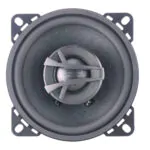
1. Speaker Size and Fitment
The wrong size creates installation issues. Always check your car’s manual or measure existing mounts before buying. Most cars fit 6.5-inch coaxial models, but options vary.
2. Frequency Response
Drivers want music that feels “alive.” A speaker with a wider frequency range reproduces deep bass and sharp highs more accurately.
3. Sensitivity and Power Handling
-
Sensitivity: Measures loudness per watt. Higher sensitivity means louder sound without demanding amplifiers.
-
Power handling (RMS vs peak): Ensures the speaker can manage your amplifier’s output without distortion.
4. Build Quality
Materials such as polypropylene cones, rubber surrounds, and textile tweeters extend lifespan and resist heat and humidity inside vehicles.
Types of Car Speaker and Their Benefits
Coaxial (Full-Range) Speakers
-
Affordable and easy to install.
-
Contain woofer and tweeter in one unit.
-
Best for budget upgrades.
Component Speakers
-
Separate woofers, tweeters, and crossovers.
-
Deliver clearer sound staging.
-
Suitable for enthusiasts seeking premium sound.
Subwoofers
-
Handle deep bass frequencies.
-
Add impact to hip-hop, EDM, or rock.
-
Require additional amplification and space.
How to Choose the Right Car Speaker for Your Needs
Step 1 – Define Your Listening Style
-
Talk radio & podcasts → Coaxial is enough.
-
Music lovers → Component speakers bring life to vocals and instruments.
-
Bass fans → Add a subwoofer for punchy low-end.
Step 2 – Match With Your Car’s Audio System
-
Stock head units → Choose high-sensitivity speakers.
-
Upgraded amplifiers → Select higher RMS-rated units.
Step 3 – Consider Installation and Budget
Some models require professional installation. Balance cost between the product and fitting service to avoid overspending.
Common Problems with Car Audio and How to Solve Them
1. Distortion at High Volume
Usually caused by low RMS handling. Solution: select speakers rated for your amplifier’s output.
2. Lack of Bass
Many factory speakers can’t reproduce low frequencies. Adding a subwoofer or choosing larger woofers solves this.
3. Uneven Sound
Placement matters. Tweeters should face listeners for better sound imaging.
4. Short Lifespan
Heat and moisture inside the car damage weak materials. Investing in durable car speaker units prevents early replacement.
Advantages of Upgrading Your Car Speaker
-
Enhanced clarity for both music and speech.
-
More enjoyable long drives with fatigue-free listening.
-
Higher resale value when your vehicle has a quality audio setup.
-
The ability to personalize sound according to taste.
Where to Buy Genuine Car Speaker Units
Only purchase from trusted retailers or official online stores. Fake or low-quality speakers often mimic design but fail to match the sound and durability of genuine models.
Final Thoughts
A well-chosen car speaker transforms the driving experience. By analyzing your needs, matching power requirements, and selecting the right type, you ensure better sound quality and longer service life. Don’t focus only on price — clarity, durability, and fitment are equally important.
FAQ
Q1: Do I need an amplifier for aftermarket car speakers?
Not always. High-sensitivity models work well with stock head units, while powerful speakers benefit from an amplifier.
Q2: Are component speakers worth the price?
Yes, if you value accurate sound staging and clarity. They are preferred by audiophiles.
Q3: Can I install car speakers myself?
Basic coaxial speakers can be DIY-installed, but component systems may require professional help.
Q4: How long do car speakers last?
Quality models typically last 5–10 years, depending on use and climate.


Varied option of top-rated online casino video games.
Here is my blog post – casinos that offer no deposit bonus
I enjoyed this article. Check out Walter’s BBQ for more.
If you want your pavers sealed right, go with the experienced team at commercial holiday light installation .
Compliance folks: we prepped for surprise audits utilizing paperwork themes from ET support for Texas cattle producers — SOPs, batch documents, and chain-of-custody for embryos were particularly valuable.
https://vk88.ceo là nền tảng nội dung giải trí trực tuyến với hệ thống chuyên mục đa dạng như Thể thao, Nổ hũ, Bắn cá và Đá gà, được bố trí rõ ràng trên giao diện trang chủ
Good blog you have got here.. It’s difficult to find high-quality writing like yours
these days. I truly appreciate individuals like you!
Take care!!
Городская логистика Химок помогает стартовать амбулаторно или на дому, когда показатели устойчивы: нет упорной рвоты, высокой температуры, выраженной дезориентации, резких «качелей» АД/пульса и признаков обезвоживания с риском судорог. В этих случаях один визит или короткий амбулаторный блок часто закрывают задачу: инфузия по показаниям, простые правила режима и согласованное окно контроля. Если же состояние «по краю» — сочетание рвоты, лихорадки, кардиальных жалоб, второй бессонной ночи, выраженного тремора и панических волн — честнее краткая стационарная стабилизация на 24–48 часов. Под круглосуточным мониторингом быстрее закрываются дефициты, дозы подбираются тоньше, предупреждаются осложнения и достигается первая ровная ночь. На бумаге стационар дороже одного визита, но на практике — дешевле серии «пожаров ночью», сорванных рабочих дней и импульсивных повторов. В любом формате анонимность неизменна: немаркированные визиты, закрытые каналы коммуникации, доступ к данным по ролям.
Ознакомиться с деталями – [url=https://narkologicheskaya-klinika-himki9.ru/]narkologicheskaya-klinika-v-himkah[/url]
Love the push for local-feeling forms with intelligent validation. We made over variety UX on arkido tutorial riding constraint APIs.
Ниже — «каркас» маршрута. Он служит ориентиром для персонализации: меняется приоритет модулей, плотность контактов, сочетание стационара и амбулаторных визитов. Принцип неизменен: «один шаг — одна цель — один маркер».
Получить больше информации – [url=https://narcologicheskaya-klinika-petrozavodsk0.ru/]наркологическая клиника клиника помощь в петрозаводске[/url]
Mixed-use around the Medical District could reduce car dependence. I shared parking-lite design standards at House Development .