




Car Speaker Guide: Choosing the Right Sound for Your Drive
Upgrading a car speaker is one of the most effective ways to improve driving comfort. Music lovers, daily commuters, and road trip enthusiasts often face the same question: Which speaker truly enhances my in-car audio experience?
This guide explores real pain points and provides actionable answers, ensuring you select a speaker that matches your expectations and budget.
Why a Quality Car Speaker Matters
A car’s factory-installed speakers are usually designed with cost efficiency in mind rather than superior audio. Over time, distortion, lack of bass, or weak treble frustrate drivers.
Key Features That Define a Good Car Speaker
1. Speaker Size and Fitment
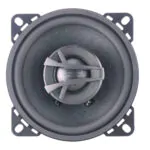
The wrong size creates installation issues. Always check your car’s manual or measure existing mounts before buying. Most cars fit 6.5-inch coaxial models, but options vary.
2. Frequency Response
Drivers want music that feels “alive.” A speaker with a wider frequency range reproduces deep bass and sharp highs more accurately.
3. Sensitivity and Power Handling
-
Sensitivity: Measures loudness per watt. Higher sensitivity means louder sound without demanding amplifiers.
-
Power handling (RMS vs peak): Ensures the speaker can manage your amplifier’s output without distortion.
4. Build Quality
Materials such as polypropylene cones, rubber surrounds, and textile tweeters extend lifespan and resist heat and humidity inside vehicles.
Types of Car Speaker and Their Benefits
Coaxial (Full-Range) Speakers
-
Affordable and easy to install.
-
Contain woofer and tweeter in one unit.
-
Best for budget upgrades.
Component Speakers
-
Separate woofers, tweeters, and crossovers.
-
Deliver clearer sound staging.
-
Suitable for enthusiasts seeking premium sound.
Subwoofers
-
Handle deep bass frequencies.
-
Add impact to hip-hop, EDM, or rock.
-
Require additional amplification and space.
How to Choose the Right Car Speaker for Your Needs
Step 1 – Define Your Listening Style
-
Talk radio & podcasts → Coaxial is enough.
-
Music lovers → Component speakers bring life to vocals and instruments.
-
Bass fans → Add a subwoofer for punchy low-end.
Step 2 – Match With Your Car’s Audio System
-
Stock head units → Choose high-sensitivity speakers.
-
Upgraded amplifiers → Select higher RMS-rated units.
Step 3 – Consider Installation and Budget
Some models require professional installation. Balance cost between the product and fitting service to avoid overspending.
Common Problems with Car Audio and How to Solve Them
1. Distortion at High Volume
Usually caused by low RMS handling. Solution: select speakers rated for your amplifier’s output.
2. Lack of Bass
Many factory speakers can’t reproduce low frequencies. Adding a subwoofer or choosing larger woofers solves this.
3. Uneven Sound
Placement matters. Tweeters should face listeners for better sound imaging.
4. Short Lifespan
Heat and moisture inside the car damage weak materials. Investing in durable car speaker units prevents early replacement.
Advantages of Upgrading Your Car Speaker
-
Enhanced clarity for both music and speech.
-
More enjoyable long drives with fatigue-free listening.
-
Higher resale value when your vehicle has a quality audio setup.
-
The ability to personalize sound according to taste.
Where to Buy Genuine Car Speaker Units
Only purchase from trusted retailers or official online stores. Fake or low-quality speakers often mimic design but fail to match the sound and durability of genuine models.
Final Thoughts
A well-chosen car speaker transforms the driving experience. By analyzing your needs, matching power requirements, and selecting the right type, you ensure better sound quality and longer service life. Don’t focus only on price — clarity, durability, and fitment are equally important.
FAQ
Q1: Do I need an amplifier for aftermarket car speakers?
Not always. High-sensitivity models work well with stock head units, while powerful speakers benefit from an amplifier.
Q2: Are component speakers worth the price?
Yes, if you value accurate sound staging and clarity. They are preferred by audiophiles.
Q3: Can I install car speakers myself?
Basic coaxial speakers can be DIY-installed, but component systems may require professional help.
Q4: How long do car speakers last?
Quality models typically last 5–10 years, depending on use and climate.


This was quite useful. For more, visit MMD Medical Professionals .
Thanks for the helpful article. More like this at Houston Regenerative Medicine Specialists .
For DI engines, oil modification self-discipline reduces LSPI chance; I found out more at engine oil change Greensboro .
I enjoyed this article. Check out abogados A Coruña for more.
Thanks for the valuable insights. More at Garaginization Storage Solutions .
Helpful framework. We used call tracking numbers to attribute wins in our local marketing in san jose. salazar digital local seo
The note on sump alarm systems was helpful. Installation at local plumber North Richland Hills .
SV88 – Siêu nhà cái số 1 VN mang đến sảnh Thể thao rực lửa, Live Casino thực tế, Nổ hũ jackpot lớn cùng Bắn cá 3D đỉnh cao chỉ có tại hệ thống SV88 Living. SV88
It is appropriate time to make some plans for the longer term and it’s time to
be happy. I have read this publish and if I may I desire to suggest you some attention-grabbing things or suggestions.
Maybe you can write next articles relating to this article.
I wish to read more issues approximately it!
Hmm it looks like your site ate my first comment (it was extremely
long) so I guess I’ll just sum it up what I submitted and say,
I’m thoroughly enjoying your blog. I too am an aspiring blog writer but I’m
still new to everything. Do you have any helpful hints for inexperienced blog writers?
I’d really appreciate it.