



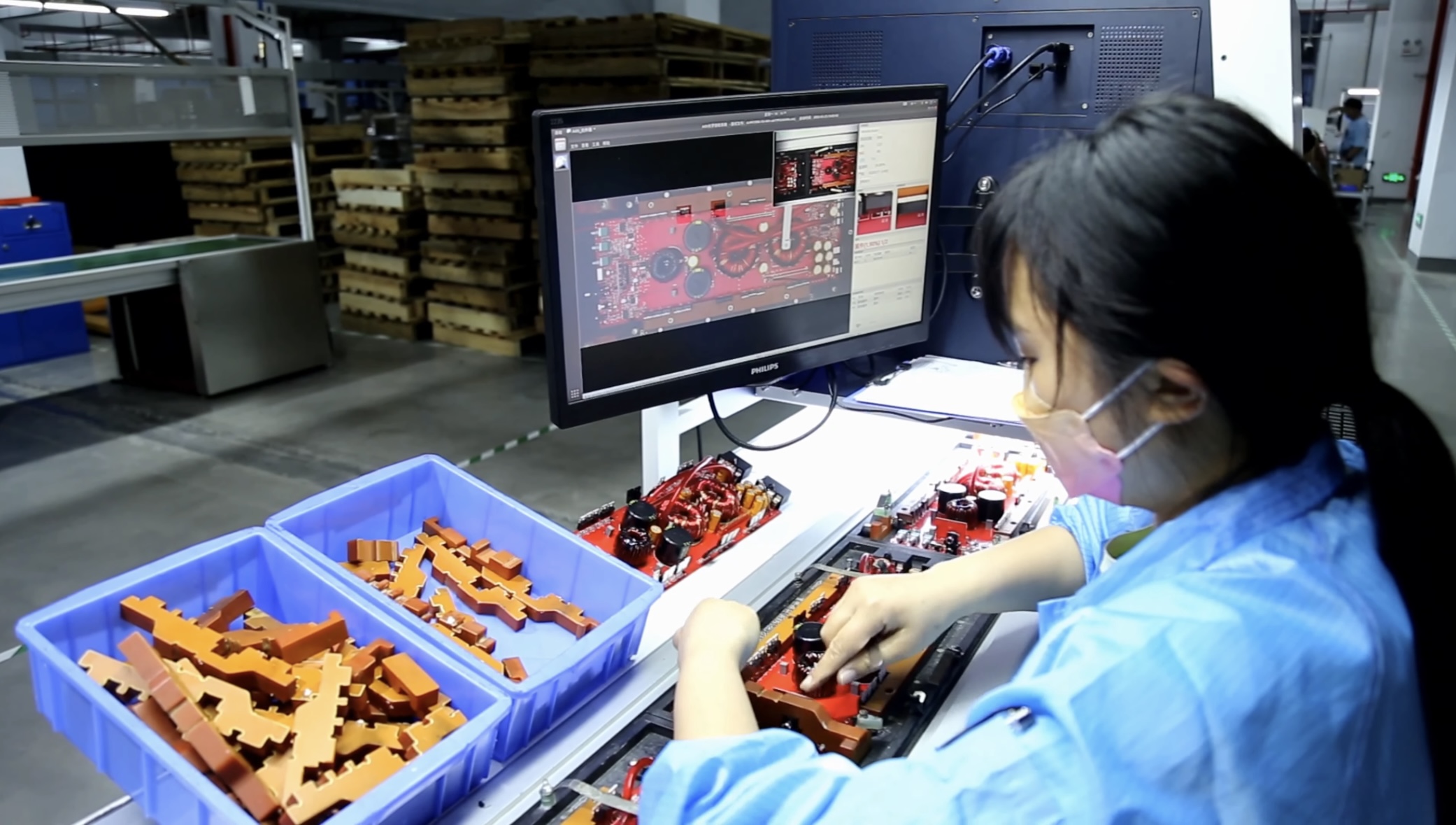
Introduction: Why Speaker Components Matter
When searching for the perfect sound system, many users want to understand what makes one speaker better than another. The answer lies in its Speaker Components—the individual parts that shape sound quality, durability, and performance. By learning how these components work together, you can make smarter buying decisions whether for home audio, car systems, or professional setups.
Understanding the Core Speaker Components

A speaker is not a single device but a carefully engineered system of components. Each element plays a critical role:
-
Driver (Cone & Dome): Converts electrical signals into sound waves.
-
Voice Coil: Interacts with the magnet to create vibration.
-
Magnet: Powers movement and sound production.
-
Suspension (Spider & Surround): Keeps the cone centered while allowing controlled motion.
-
Enclosure (Cabinet): Shapes acoustics and protects inner parts.
-
Crossover Network: Divides frequencies for tweeters, midrange, and woofers.
Together, these Speaker Components define clarity, bass depth, and overall listening experience.
The Main Types of Speaker Drivers

1. Tweeters
Handle high frequencies (2,000 Hz and above). Materials such as silk, titanium, or ceramic influence tonal brightness.
2. Midrange Drivers
Reproduce vocals and instruments (300 Hz – 5,000 Hz). Critical for balanced audio.
3. Woofers
Deliver bass and low-mid frequencies. Often made with reinforced paper, polypropylene, or Kevlar for strength.
4. Subwoofers
Focused on deep bass (20 Hz – 200 Hz). Require large enclosures and high power.
5. Full-Range Drivers
Compact designs attempting to cover most frequencies, often used in budget or portable speakers.
How Speaker Components Affect Sound Quality
Frequency Response
Determines the range of sounds a speaker can produce.
Sensitivity
Higher sensitivity means the speaker delivers more output with less power.
Impedance
Affects amplifier matching; common ratings are 4, 6, or 8 ohms.
Power Handling
Shows how much wattage the components can manage without distortion.
Materials and Craftsmanship
From magnet strength to cone material, each detail shapes accuracy and tone.
Popular Brands Specializing in Speaker Components
JBL
Renowned for robust woofers and balanced driver technology.
Focal
Known for high-end tweeters with advanced materials like beryllium.
Pioneer
Offers reliable car audio components with strong bass performance.
Scanspeak
Specialized in precision drivers for audiophiles.
Dayton Audio
Affordable yet high-performing replacement parts and DIY speaker kits.
Buying Guide: Choosing the Right Speaker Components
-
Identify Your Purpose – Are you upgrading a car audio system, building home theater speakers, or enhancing a studio monitor?
-
Match Power and Impedance – Ensure compatibility with your amplifier.
-
Consider the Environment – Car interiors demand different setups compared to large living rooms.
-
Check Build Quality – High-grade cones and magnets ensure longevity.
-
Balance Budget vs Performance – Premium materials like Kevlar or beryllium improve sound but cost more.
Common Mistakes to Avoid
-
Choosing oversized subwoofers without proper enclosure support.
-
Ignoring the role of crossovers in balancing frequencies.
-
Buying mismatched components that strain amplifiers.
-
Over-prioritizing wattage instead of real-world sensitivity and clarity.
Future Trends in Speaker Components (2025 and Beyond)
-
Smart Integration: AI-driven auto calibration for rooms and vehicles.
-
Eco Materials: Biodegradable cones and recycled enclosures.
-
Compact High-Performance Drivers: Smaller sizes delivering stronger bass.
-
Wireless Adaptation: Components designed for seamless digital streaming.
Conclusion: The Value of Understanding Speaker Components
When you grasp how Speaker Components work, you are no longer just buying a speaker—you are choosing the precise sound experience you want. From deep bass to crystal highs, each component matters. Whether you’re a hobbyist, audiophile, or event professional, knowledge leads to smarter investments and better audio satisfaction.
FAQ
Q1: What are the most important speaker components?
The driver, magnet, voice coil, suspension, and enclosure are essential for sound quality.
Q2: Do better materials make a big difference?
Yes, materials like Kevlar, titanium, or beryllium often deliver better accuracy and durability.
Q3: Can I replace individual components in my speaker?
In many cases, yes—brands like Dayton Audio sell replacement drivers and kits.
Q4: How do I match speaker components with an amplifier?
Ensure impedance (ohms) and power ratings are compatible with the amplifier’s specifications.
While staying in the Philippines I started looking for a good budget power bank.
After reading this guide https://gadgetworldnews.com/blog
It was difficult to find easy to understand buying advice.
The guide helped me pick a model with surprisingly good battery life.
Great experience and practical advice.
услуги стоматологии семейная стоматология
наруто https://naruto-smotret.ru
Частный гид по области предложит экскурсия Калининград на Куршскую косу с экскурсоводом и персональным маршрутом по заповеднику.
Interested in UFC? https://ufc-white-house.com unique mixed martial arts tournament will take place on June 14, 2026, in Washington, D.C., on the South Lawn of the White House. It will be the first professional sporting event in history to be held directly on the grounds of the U.S. presidential residence.
ремонт стиральной машины починить стиральную машину
tecili xeberler oyun xeberleri
Your point of view caught my eye and was very interesting. Thanks. I have a question for you.
Thank you for your sharing. I am worried that I lack creative ideas. It is your article that makes me full of hope. Thank you. But, I have a question, can you help me? https://www.binance.bh/futures/ref?code=MBLCVVZG
At some point I needed to check whether my laptop supports a RAM upgrade. My
research eventually led me to https://znayka.com.ua.
I couldn’t find practical upgrade instructions on most websites. Many sources were confusing.
On this site I found useful technical guidance, along with images that made everything much easier to understand.
I recommend this site to anyone looking for clear tech explanations if you want reliable information about laptops and hardware upgrades.