



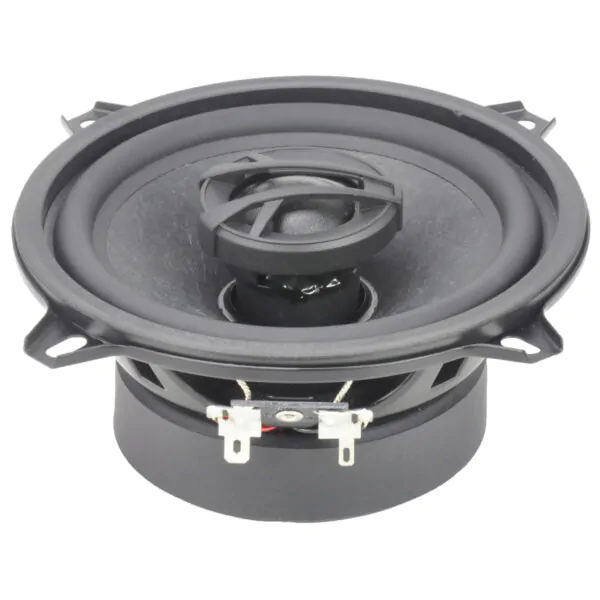
Understanding the role of the car tweeter in automotive audio systems
In any well-balanced car sound system the goal is faithful reproduction across the full audio spectrum—from deep bass to shimmering highs. Too often attention goes to subwoofers and mid-range drivers, but without the high-frequency extension the system will sound dull or muffled. A car tweeter is the dedicated loudspeaker driver that handles the uppermost portion of the frequency range—typically from several kilohertz up to 20 kHz and sometimes beyond.From a mechanical manufacturing and service standpoint, embracing the car tweeter as more than a “nice to have” leads to real system differentiation, better user satisfaction, fewer installation issues and stronger service reputation.
What is a car tweeter and how does it differ from other speakers?

A car tweeter is not simply a smaller version of a woofer; it is engineered for a different acoustic purpose. The term “tweeter” originates from the analogy of bird “tweets”—high-pitched sounds—contrasting with the “woof” of a dog, associated with low frequencies.In a vehicle audio system, the car tweeter reproduces the treble frequencies that conventional woofers and mid-range drivers cannot efficiently manage. Typical frequency bands for a tweeter are around 3 kHz up to 20 kHz or more.
Where standard speakers handle voice, instruments and bass foundation, the car tweeter adds air, sparkle, detail and spatial cues. From a manufacturing/service perspective, recognizing that “all-in-one” speakers (coaxials) may suffice for basic use but a real system upgrade involves separating tweeters and optimizing their placement, wiring, crossover and enclosure context.
Key attributes and mechanical-acoustic considerations of a car tweeter
When you in the mechanical manufacturing or service field specify, assemble or install systems that include a car tweeter, it is important to understand the following technical and integration attributes.
Materials, diaphragm shape and design impact
The shape (cone, dome, inverted dome) and material (silk, aluminum, titanium, synthetic film) of the tweeter diaphragm directly influence sound quality, dispersion and reliability—particularly in the harsh automobile environment (temperature, vibration, moisture). For instance, dome tweeters provide wider dispersion and better imaging; synthetic film tweeters are lightweight and cost-effective but may trade off on damping and precision.From a manufacturing point of view, you must ensure that the driver you pick is built for automotive-grade durability: thermal stability, vibration tolerance, and mounting robustness.
Frequency range, sensitivity and impedance matching
A car tweeter must be matched in the system via a crossover so that only appropriate high-frequency content reaches it, avoiding distortion or damage.Sensitivity and impedance affect how loud the tweeter plays with given amplifier power. Mismatches can lead to uneven volume, phase issues or distortion. For the service workflow, you’ll need to check amplifier compatibility, wiring gauge, crossover design and integration with the other drivers.
Mounting location and dispersion in the vehicle cabin
High-frequency sounds are much more directional than bass, which means placement of the car tweeter is crucial for performance. Many factory systems compromise tweeter placement; for upgraded systems you must consider the listener’s ear position, reflections, crossover transition frequency and phase alignment.In a vehicle manufacturing or service context, measuring mounting depth, considering trim panel modifications, ensuring flush or angled mounting towards the listener and managing grille or protective covers are practical implementation tasks.
Integration with crossover, mid-range drivers, wiring and acoustics
The car tweeter seldom acts alone. It interacts with mid-range and woofer drivers via a crossover network that directs the appropriate frequencies to each driver. Without a proper crossover, a tweeter may attempt to reproduce lower frequencies it cannot handle and distort.Additionally, wiring quality, connection integrity and shielding are critical in a vehicle where electrical noise, temperature swings and vibration are present. From a service manufacturing standpoint, bundles to manage wiring, secure mounting, proper grounding and ensuring heat and vibration mitigation are part of the “value add” that separates basic installation from professional integration.
Why a car tweeter matters for audio system quality and manufacturing service value
For mechanical manufacturing and service users—those who design enclosures, produce speaker mounts, install sound systems in vehicles or provide turn-key upgrades—the car tweeter offers measurable business and technical benefits when treated properly.
First, inclusion of a high-quality car tweeter yields noticeable improvement in audio fidelity: crisp vocals, clear instruments, realistic sound staging. Without a tweeter the high end of the music is missing and the listener perceives a lack of “air” and openness.That perceptual difference can drive premium pricing in installation or manufacturing service contracts.
Second, when the car tweeter is integrated properly, it reduces strain on lower-end drivers—mid-woofers and full-range door speakers—because they are not forced to reproduce frequencies for which they were not optimized. This enhances system longevity and reliability—important in service business reputations.
Third, a manufacturing/service provider who offers component provisioning (separate tweeters, matched crossovers, optimized wiring harnesses, custom mounting brackets or pods) differentiates from commodity “swap speaker” offerings. Such differentiation enables stronger brand value, higher margin and fewer returns or poor reviews.
Fourth, good installation of tweeters includes mechanical robustness: proper mounts, minimised panel vibration, secure wiring, consideration for electrical environment (car battery, alternator, vehicle grounding). These aspects align closely with disciplines in mechanical manufacturing and service workflows, and when executed well reduce call-backs and warranty costs.
Common pitfalls, best practices and service-oriented advice
Even when specifications are right, the implementation of a car tweeter system can be flawed if mechanical or acoustic integration is overlooked. Here are deeper reflections tailored for manufacturing and service professionals.
Avoid mismatched system components
Selecting a high-end car tweeter but pairing it with a weak amplifier, improper crossover or poor wiring yields disappointing results. Ensure the entire chain (head unit/amplifier → crossover → tweeter) is specified coherently. The service workflow should include verification of amplifier power, impedance, wiring gauge and secure installer connections.
Consider enclosure and vehicle acoustic environment
Although tweeters are small and often mounted flush behind panels, their performance can still be affected by nearby surfaces, reflections, mounting recesses, or protective grills. Knowing the vehicle’s cabin acoustics, panel materials and typical listening position helps. For manufacturing, designing mounting pods or brackets with correct angling or spacing improves performance and service differentiation.
Address electrical and vibration issues
Vehicle cabins are challenging environments: temperature extremes, vibration, panel rattles, electrical noise from alternator or engine. A car tweeter installation must consider stable mounting, secure wiring, appropriate fusing, and minimal interference. From a manufacturing service perspective, supplying wiring kits, secure brackets, vibration-damping materials and installation guidance adds value.
Calibrate system and verify listening results
After mechanical installation, tuning is essential. Ensure the crossover frequency is correct (often around 2.5 kHz–4 kHz depending on mid-woofer capability), adjust level to match other drivers, and verify phase alignment so the tweeter and mid-range drivers blend smoothly. Listening tests in actual vehicle driving conditions (engine on, windows up/down) offer real validation. Without this step, even a well-built system may underperform.
Educate your client or end-user
Often end-users don’t appreciate what a car tweeter contributes. Explain in lay terms: the tweeter is handling the “sizzle, air and detail” part of the music, not bass or volume. Also manage expectations: if road noise is high, windows down, or the door panels are thin, the premium of the tweeter may not be fully realised unless the entire system is addressed. This clarity improves user satisfaction and reduces perceived “over-promise”.
Application scenarios for manufacturing-service professionals
Here are real-world service/manufacturing use cases where incorporating a car tweeter becomes a key value driver:
-
Custom mounting pods for specific vehicle models: Suppose you manufacture or supply bespoke speaker mounts for luxury cars. You can design a pod that holds a separate car tweeter at the A-pillar or dash corner at ear level, ensuring optimal dispersion and consumer value.
-
After-market upgrade kits: Provide a package including matched tweeter driver, crossover unit, wiring harness, mounting grommets and installation instructions. This streamlines the workflow in a service shop and offers end-users a clear upgrade path, boosting your manufacturing output and service offering.
-
Full vehicle audio upgrades: For customers seeking audiophile quality in a vehicle, you partner tweeters with mid-woofers, subwoofers, amplifier and enclosure systems. Your manufacturing/service team becomes the system integrator, and the tweeter is a critical piece of that integrated story.
-
Retrofit or replacement scenario: For older vehicles with factory tweeters that have deteriorated (dust, heat, deformation), offering a high-performance replacement car tweeter drives repeat business, value for the user and improved system longevity.
-
Commercial fleets or special-purpose vehicles: In vehicles where audio clarity (speech, alerts, navigation) is mission-critical (e.g., service vans, emergency vehicles, premium chauffeur transport), specifying high-quality car tweeters enhances voice intelligibility and overall system quality—not just for music, but for practical functional value.
In each scenario the component is the car tweeter, but the real differentiation lies in mechanical design, system integration, quality installation workflow and reliable service support.
Conclusion
In conclusion, a properly selected and integrated car tweeter is far more than an optional accessory—it is a vital component that delivers clarity, imaging, realism and user satisfaction in automotive sound systems. For manufacturing and service professionals, focusing attention on driver materials, diaphragm design, mounting strategy, crossover integration, wiring quality and vehicle fitment turns a simple upgrade into a premium offering. If these aspects are treated with engineering rigour—mechanical fitment, thermal and vibration resilience, precise crossover tuning, placement optimisation—the resulting system will stand out in reliability, performance and perceived value.
By approaching the car tweeter subsystem with the same discipline that would be applied to other mechanical sub-assemblies (mounting fixtures, vibration isolation, secure electrical connections) your business not only meets user expectations but builds reputation and differentiation in the market. The investment in high-frequency performance pays off: better audio, fewer issues, satisfied clients and stronger service margins.
FAQ
Q1: Do I absolutely need a car tweeter in my vehicle audio system?
A1: Technically you can operate without one, but without a dedicated car tweeter the system will lack high-frequency extension and detail. Music may sound muddy or flat, particularly at higher volumes or when the overall system is upgraded.
Q2: How do I choose the right car tweeter for an installation?
A2: Start by evaluating the system’s mid-woofer capability, available mounting locations, amplifier power and wiring gauge. Choose a tweeter with good materials (e.g., aluminium dome, silk dome), ensure the frequency response matches or complements your mid-range driver, verify impedance and sensitivity, and plan proper crossover and wiring integration.
Q3: Does mounting location of a car tweeter make that much difference?
A3: Yes. Because high-frequency sound is directional, placing the car tweeter at ear-height, with clear path to listener, minimal obstruction and correct angling improves sound stage and clarity. Poor placement can degrade performance significantly.
Q4: Can I reuse factory tweeters or should I always upgrade?
A4: Factory tweeters may suffice for basic audio, but often they compromise on materials, mounting location, integration and wiring. If you are offering a manufacturing or service-upgrade solution and seeking improved fidelity, reliability and user value, using higher quality aftermarket car tweeters is usually worthwhile.
Q5: What common mistakes should service installers avoid when integrating a car tweeter?
A5: Avoid ignoring crossover design, ignoring wiring gauge and amplifier matching, mounting in sub-optimal locations (e.g., hidden behind trim, obstructed path), neglecting mechanical stability (loose mounts, vibration), and skipping post-installation tuning. These errors reduce real value and increase service callbacks.
Осмотр на дому особенно важен в тех случаях, когда больному трудно вставать, пить воду, принимать пищу, спокойно лежать или ориентироваться в собственном состоянии. Чем тяжелее переносится выход из употребления, тем выше значение очной оценки, потому что по телефону невозможно полноценно определить границы безопасной помощи. При выраженных симптомах может потребоваться срочный выезд, чтобы вовремя оценить риски и определить, допустим ли вывод из запоя дома или необходимо наблюдение в стационаре.
Детальнее – нарколог на дом цена
Ранняя врачебная помощь не только снижает тяжесть абстинентного синдрома, но и предотвращает опасные осложнения, даёт шанс пациенту быстрее вернуться к обычной жизни, а его близким — обрести уверенность в завтрашнем дне.
Исследовать вопрос подробнее – vyvod-iz-zapoya-na-domu-nedorogo
За выездом врача чаще обращаются тогда, когда человеку тяжело добраться до клиники, он ослаблен после нескольких дней употребления алкоголя или родственникам важно быстрее понять, какая тактика будет безопасной. После осмотра можно определить, нужна ли капельница, достаточно ли детоксикации на дому, требуется ли повторное наблюдение, а в дальнейшем — консультация по лечению алкоголизма, кодирование или реабилитация. В части случаев уже первый звонок позволяет понять, идет ли речь только о временном ухудшении самочувствия или о состоянии, при котором может потребоваться вывод из запоя в стационаре.
Подробнее – вызов нарколога на дом екатеринбург
Домашний выезд обычно выбирают тогда, когда человеку трудно добраться до медицинского учреждения, он ослаблен после нескольких дней употребления спиртного или родственникам важно быстро получить врачебную оценку состояния. После осмотра определяют, допустим ли домашний формат, нужна ли капельница, достаточно ли наблюдения на дому или следует рассматривать другой объем помощи. Уже на этапе первичного обращения нередко уточняют, как вызвать врача, какие наркологическая услуги доступны на дому, возможен ли срочный выезд круглосуточно и в каких случаях вывод из запоя безопаснее проводить не дома, а в стационаре.
Получить больше информации – нарколог на дом в москве
Затем организуется выезд специалиста — нарколог приезжает на дом или, по желанию, принимает пациента в стационаре. После осмотра и измерения жизненно важных показателей врач разрабатывает индивидуальную схему терапии. Главная цель — мягкая и безопасная детоксикация, восстановление работы органов и снятие психических и физических симптомов.
Изучить вопрос глубже – http://vyvod-iz-zapoya-shchelkovo6.ru/pomoshch-vyvod-iz-zapoya-v-shchelkovo/
Нарколог на дом в Москве: круглосуточный выезд, детоксикация и лечение зависимостей в наркологической клинике «Клиника доктора Калюжной».
Углубиться в тему – врач нарколог на дом
Первый этап лечения направлен на стабилизацию состояния. Он начинается с оценки витальных показателей и клинической картины. После этого формируется план терапии, в котором определены цели и временные интервалы для оценки результата. Такой подход позволяет контролировать процесс и избегать хаотичных назначений, особенно при лечении алкоголизма.
Ознакомиться с деталями – http://vyvod-iz-zapoya-v-staczionare-nizhnij-novgorod-2.ru
Затяжной запой перестает быть бытовой проблемой в тот момент, когда организм теряет способность самостоятельно восстанавливаться после интоксикации. Накопление ацетальдегида, нарушение водно-электролитного баланса, истощение запасов витаминов и перегрузка сердечно-сосудистой системы создают состояние, при котором домашние методы перестают быть безопасными. Срочно стабилизировать самочувствие и быстро купировать абстинентный синдром позволяет только контролируемая медицинская среда. Вывод из запоя в стационаре в Нижнем Новгороде становится клинически обоснованным решением, когда требуется не просто снятие симптомов, а комплексная детоксикация под круглосуточным наблюдением врачей. Наркологическая клиника «Стармед» организует процесс лечения в соответствии с актуальными стандартами доказательной медицины, обеспечивая безопасность пациента, прозрачность процедур и плавный переход к противорецидивной терапии. Мы понимаем, что решение о госпитализации часто принимается в состоянии стресса, поэтому наша работа начинается с четкой диагностики, честного объяснения плана лечения и соблюдения строгих протоколов конфиденциальности. Опытные специалисты клиники помогут вызвать доверие к процессу восстановления уже на этапе первого контакта.
Подробнее можно узнать тут – https://vyvod-iz-zapoya-v-staczionare-nizhnij-novgorod-6.ru/
Поводом для обращения обычно становятся слабость, тремор, тревога, бессонница, учащенный пульс, нестабильное давление, тошнота и ощущение физического истощения. Эти проявления часто усиливаются после прекращения употребления алкоголя или на фоне затянувшегося запоя.
Подробнее – вызов нарколога на дом в москве
Далее назначается инфузионная терапия (капельницы) — специально подобранные растворы и препараты для безопасного выведения токсинов, коррекции водно-солевого баланса, поддержки сердца, нервной системы и печени, нормализации сна и снятия тревожности. Капельница длится от 2 до 4 часов, врач наблюдает за состоянием пациента и, при необходимости, корректирует дозировки, вводит дополнительные средства для купирования судорог, снятия боли, коррекции психоэмоционального состояния.
Получить больше информации – вывод из запоя с выездом