




Car Speaker Guide: Choosing the Right Sound for Your Drive
Upgrading a car speaker is one of the most effective ways to improve driving comfort. Music lovers, daily commuters, and road trip enthusiasts often face the same question: Which speaker truly enhances my in-car audio experience?
This guide explores real pain points and provides actionable answers, ensuring you select a speaker that matches your expectations and budget.
Why a Quality Car Speaker Matters
A car’s factory-installed speakers are usually designed with cost efficiency in mind rather than superior audio. Over time, distortion, lack of bass, or weak treble frustrate drivers.
Key Features That Define a Good Car Speaker
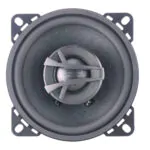
1. Speaker Size and Fitment
The wrong size creates installation issues. Always check your car’s manual or measure existing mounts before buying. Most cars fit 6.5-inch coaxial models, but options vary.
2. Frequency Response
Drivers want music that feels “alive.” A speaker with a wider frequency range reproduces deep bass and sharp highs more accurately.
3. Sensitivity and Power Handling
-
Sensitivity: Measures loudness per watt. Higher sensitivity means louder sound without demanding amplifiers.
-
Power handling (RMS vs peak): Ensures the speaker can manage your amplifier’s output without distortion.
4. Build Quality
Materials such as polypropylene cones, rubber surrounds, and textile tweeters extend lifespan and resist heat and humidity inside vehicles.
Types of Car Speaker and Their Benefits
Coaxial (Full-Range) Speakers
-
Affordable and easy to install.
-
Contain woofer and tweeter in one unit.
-
Best for budget upgrades.
Component Speakers
-
Separate woofers, tweeters, and crossovers.
-
Deliver clearer sound staging.
-
Suitable for enthusiasts seeking premium sound.
Subwoofers
-
Handle deep bass frequencies.
-
Add impact to hip-hop, EDM, or rock.
-
Require additional amplification and space.
How to Choose the Right Car Speaker for Your Needs
Step 1 – Define Your Listening Style
-
Talk radio & podcasts → Coaxial is enough.
-
Music lovers → Component speakers bring life to vocals and instruments.
-
Bass fans → Add a subwoofer for punchy low-end.
Step 2 – Match With Your Car’s Audio System
-
Stock head units → Choose high-sensitivity speakers.
-
Upgraded amplifiers → Select higher RMS-rated units.
Step 3 – Consider Installation and Budget
Some models require professional installation. Balance cost between the product and fitting service to avoid overspending.
Common Problems with Car Audio and How to Solve Them
1. Distortion at High Volume
Usually caused by low RMS handling. Solution: select speakers rated for your amplifier’s output.
2. Lack of Bass
Many factory speakers can’t reproduce low frequencies. Adding a subwoofer or choosing larger woofers solves this.
3. Uneven Sound
Placement matters. Tweeters should face listeners for better sound imaging.
4. Short Lifespan
Heat and moisture inside the car damage weak materials. Investing in durable car speaker units prevents early replacement.
Advantages of Upgrading Your Car Speaker
-
Enhanced clarity for both music and speech.
-
More enjoyable long drives with fatigue-free listening.
-
Higher resale value when your vehicle has a quality audio setup.
-
The ability to personalize sound according to taste.
Where to Buy Genuine Car Speaker Units
Only purchase from trusted retailers or official online stores. Fake or low-quality speakers often mimic design but fail to match the sound and durability of genuine models.
Final Thoughts
A well-chosen car speaker transforms the driving experience. By analyzing your needs, matching power requirements, and selecting the right type, you ensure better sound quality and longer service life. Don’t focus only on price — clarity, durability, and fitment are equally important.
FAQ
Q1: Do I need an amplifier for aftermarket car speakers?
Not always. High-sensitivity models work well with stock head units, while powerful speakers benefit from an amplifier.
Q2: Are component speakers worth the price?
Yes, if you value accurate sound staging and clarity. They are preferred by audiophiles.
Q3: Can I install car speakers myself?
Basic coaxial speakers can be DIY-installed, but component systems may require professional help.
Q4: How long do car speakers last?
Quality models typically last 5–10 years, depending on use and climate.


I didn’t have an understanding of how realistic it may well be to Sell My Car in Middleetown OH till I booked a free tow and had the forms taken care of for me. No haggling and settlement turned into instant Cash for Cars Middleetown OH
If all and sundry round Mason, OH is caught with a non-jogging auto, money out a nearby junk motor vehicle patron https://www.google.com/maps?cid=11260689942923774985
With the right expectations and the assistance of a highly-trained group,
you’ll be ready to achieve your desired results.
Appreciate the cat-specific safety notes. Calm rooms, no dogs nearby, and soft handling make a difference. Do you require vet clearance for elderly cats? pet groomers reno Reno, NV
Joy Organics broad spectrum cbd gummies benefits Salve is also available in two sizes.
Got a last-minute job offer in Austin and needed fast shipping. Austin auto shipping found a carrier within 24 hours.
Hi there! This blog post could not be written much better!
Looking at this article reminds me of my previous roommate!
He always kept talking about this. I most certainly will forward this article
to him. Fairly certain he’ll have a good read. I appreciate
you for sharing!
Выезд врача — это не «процедура без вопросов», а клиническое решение. На месте оценивают давление, пульс, дыхание, степень обезвоживания, уровень сознания, выраженность тревоги, наличие боли, судорожных проявлений, неврологические симптомы. После этого подбирают схему поддержки, объясняют ограничения и ожидаемую динамику: что должно улучшаться в первые часы, какие симптомы допустимы, а какие требуют немедленного обращения. Важная часть — рекомендации на ближайшие сутки: режим питья и питания, сон, контроль давления, что категорически нельзя смешивать и почему. Такой подход снижает риск осложнений и помогает не «сорваться» в самостоятельные эксперименты.
Выяснить больше – http://narkologicheskaya-klinika-moskva12.ru
Этот список — памятка на холодильник. Он не раскрывает диагноз, но точно описывает поводы для связи с дежурным врачом. Своевременная эскалация — часть безопасности, а не «подстраховка». Если сомневаетесь — лучше позвонить.
Получить дополнительную информацию – [url=https://kapelnicza-ot-zapoya-v-chelyabinske16.ru/]врача капельницу от запоя челябинск[/url]
Многие откладывают лечение годами, потому что периодами удаётся «держаться». Но зависимость редко исчезает сама. Обычно она меняет форму: запои становятся длиннее, алкоголь начинает использоваться как «лекарство» от тревоги и бессонницы, утренние дозы превращаются в способ «прийти в себя», а трезвость воспринимается как постоянное напряжение.
Подробнее тут – http://lechenie-alkogolizma-sergiev-posad12.ru