



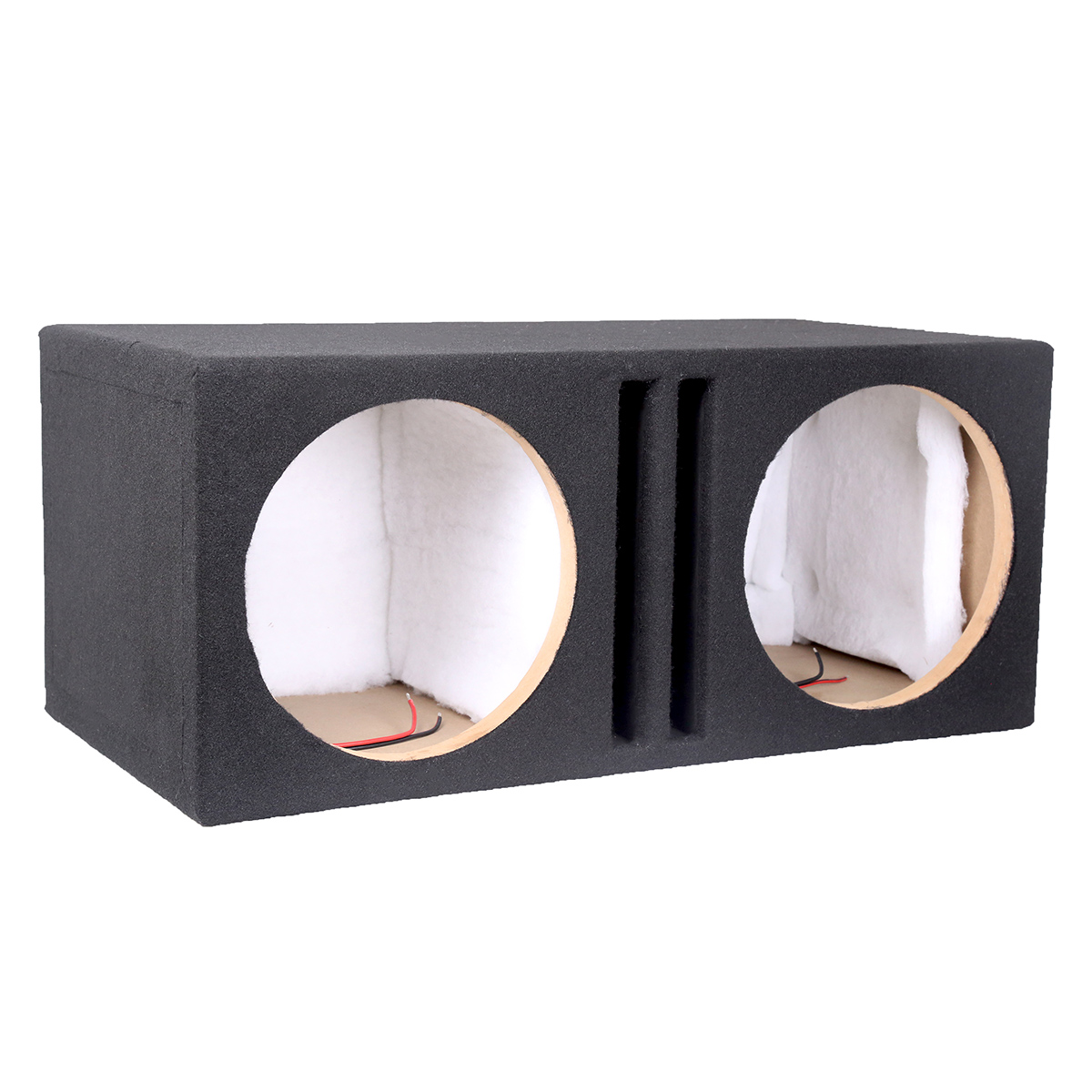
This article has been fully updated in 2026 with new CNC milling insights, cabinet vibration testing, and real-world speaker manufacturing data from our ISO 9001 factory floor.
When it comes to building speaker boxes, the material you choose can significantly affect the sound quality, durability, and portability of your speakers. Two of the most commonly used materials for speaker enclosures are MDF (Medium Density Fiberboard) and plywood. Both materials offer distinct advantages and disadvantages depending on your needs. In this article, we’ll break down the differences between MDF and plywood and help you choose the best wood for your speaker box.
MDF vs Plywood: Key Differences
Before diving into the specifics of which material is better for speaker boxes, let’s look at the main characteristics that set MDF and plywood apart:
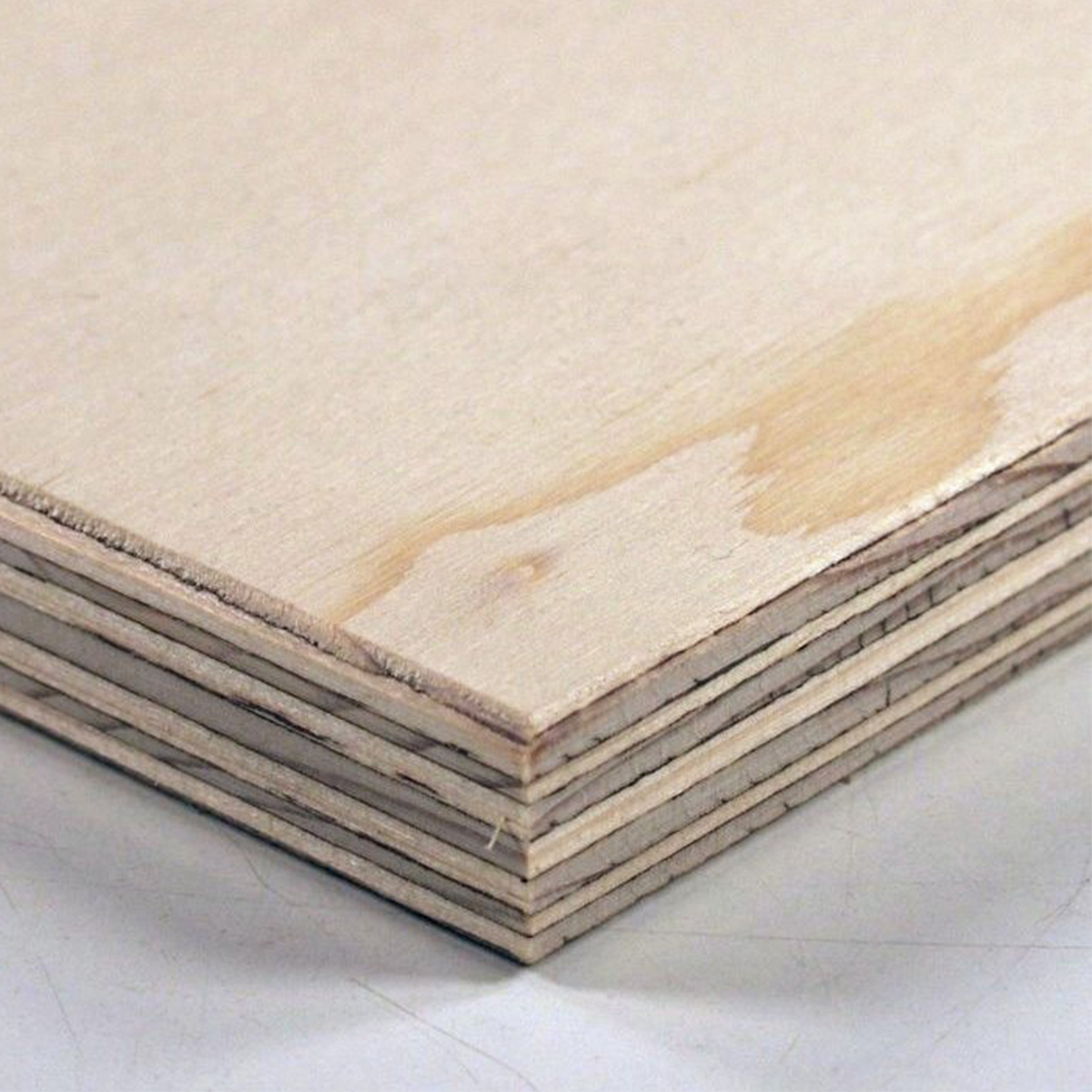
| Performance Metric | MDF (Standard Grade) | Premium Baltic Birch Plywood |
|---|---|---|
| Wood Consistency | Very smooth and uniform. No hidden air pockets or voids inside the board. | Depends on the grade. High-end Baltic Birch has solid layers with zero voids. |
| How it Handles Vibrations | Excellent. It is naturally "dead" and quiet, making it great for clean bass. | More rigid and lively. It rings a bit more, which helps project sound further. |
| Screw Holding Strength | Fair. If you take the speakers out and screw them back in too often, the holes can strip. | Amazing. The tight layers grip screws perfectly. They won't back out under heavy bass. |
| CNC Cutting Precision | Cuts beautifully. Leaves very clean edges for joints and custom curves. | Good, but needs sharp tools and the right speed to avoid rough edges. |
| Water Resistance | Poor. Absorbs water quickly and swells up easily if left in damp places. | Very tough. Uses weather-resistant glue between layers. Won't fall apart in humidity. |
| Weight Factor | Very heavy. Makes the boxes hard to move around and increases shipping costs. | Much lighter. Offers a lot of structural strength without the extra weight penalty. |
Density and Sound Quality
MDF is known for its high and uniform density. In our production line, we use high-grade MDF with a density of 720 kg/m³. This heavy, packed fiber composition is an excellent choice for clear sound reproduction because it minimizes unwanted resonances and vibrations. The dense structure provides a solid foundation for bass-heavy speakers, ensuring a cleaner, more accurate sound.
Plywood, on the other hand, has a lower density compared to MDF, and the grain of the wood can vary. This makes it more prone to vibrations, but it also means plywood can reflect sound in a more natural way. This is beneficial if you want a speaker box that delivers better sound projection and broader sound dispersion.

Inside the Factory — Bracing and Resonance Control:
In real-world manufacturing, relying only on raw wood density isn't enough. To stop plywood from ringing or vibrating, we always design internal support braces and add acoustic padding inside the box. For high-end subwoofers, a great trick is using a thick MDF front plate where the speaker mounts, paired with lightweight plywood for the rest of the box. This gives you clean sound without making the box too heavy to carry.
Weight and Portability
MDF is considerably heavier than plywood. This can be a disadvantage if you need to move or transport the speaker box frequently. The additional weight may make MDF-enclosed speakers less portable, especially for live performances or events where mobility is important. From a business standpoint, extra weight also means higher shipping fees when moving cargo overseas.
Plywood is much lighter and easier to handle, making it ideal for portable speakers or larger, mobile sound systems where saving weight is a top priority.
Moisture Resistance
MDF tends to absorb moisture easily, which can cause it to swell and distort. In humid environments, MDF speaker boxes can lose their shape, leading to a decrease in sound quality and potentially shortening the lifespan of your speakers. If raw MDF gets wet, the joints can completely lose their strength.
Plywood, however, is highly resistant to moisture and won’t absorb water easily. This makes it a better choice for outdoor speakers or situations where humidity or wet conditions are a concern.
How We Fight Moisture:
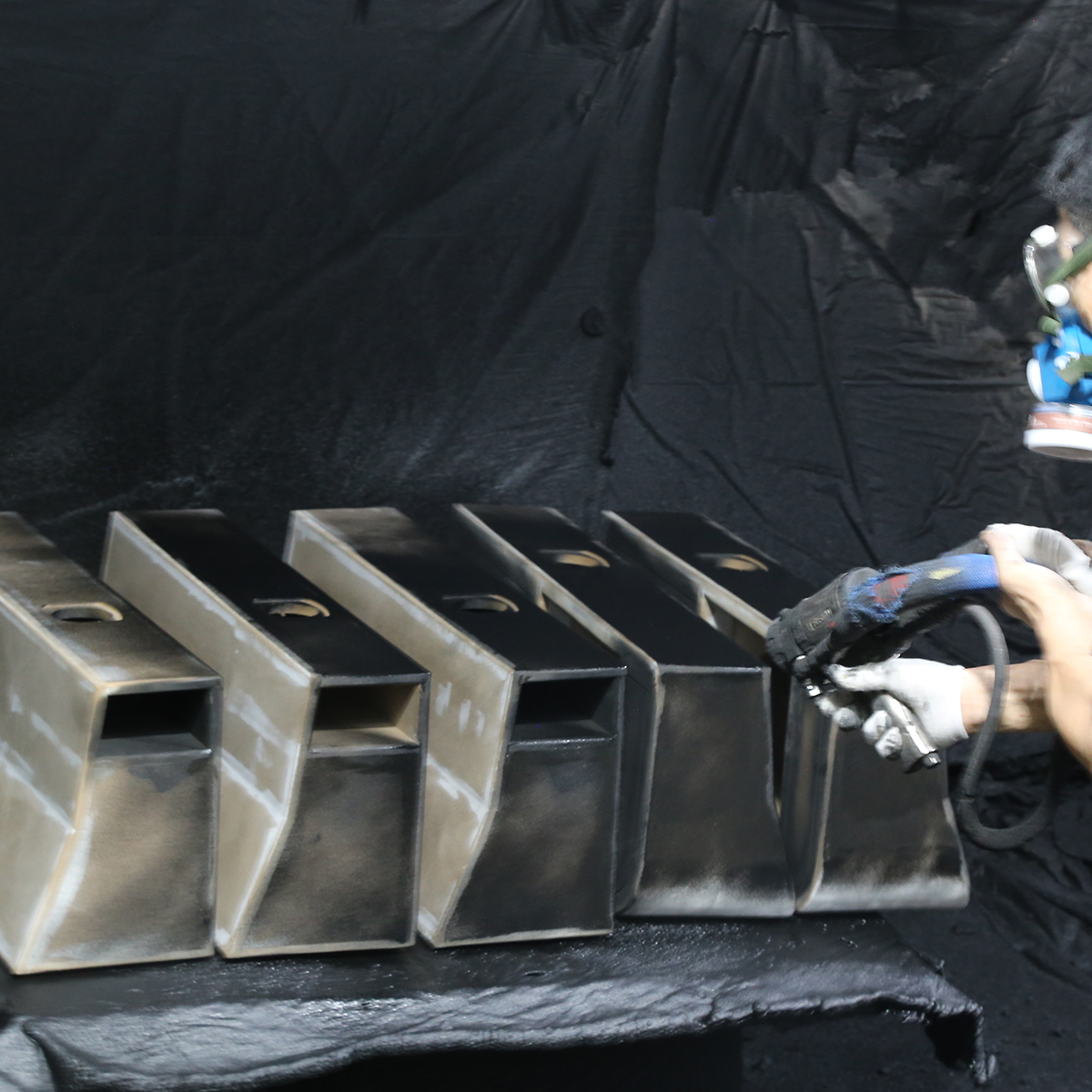
To fix MDF's weakness against water, our factory uses a specialized polyurea texture coat (similar to heavy-duty truck bed liner paint). This creates a tough, plastic-like shell around the wood, so clients can use these enclosures in humid or damp environments without worrying about the wood rotting or expanding.
Cost
MDF is typically cheaper than plywood, making it an affordable option for those on a budget. Its smooth, uniform surface also makes it easier to work with, especially for custom speaker box designs.
Plywood tends to be more expensive due to its superior strength, moisture resistance, and overall durability. To give you a realistic idea of the market, high-grade birch plywood costs about 28 RMB (around $4 USD) more per square meter than standard MDF. However, if you’re looking for a long-term investment that can withstand the elements and offer better performance, the extra cost may be justified.
Which Wood Is Best for Your Speaker Box?
Let’s look at which choice fits your project best based on how you plan to use the speakers:
For Subwoofer Boxes
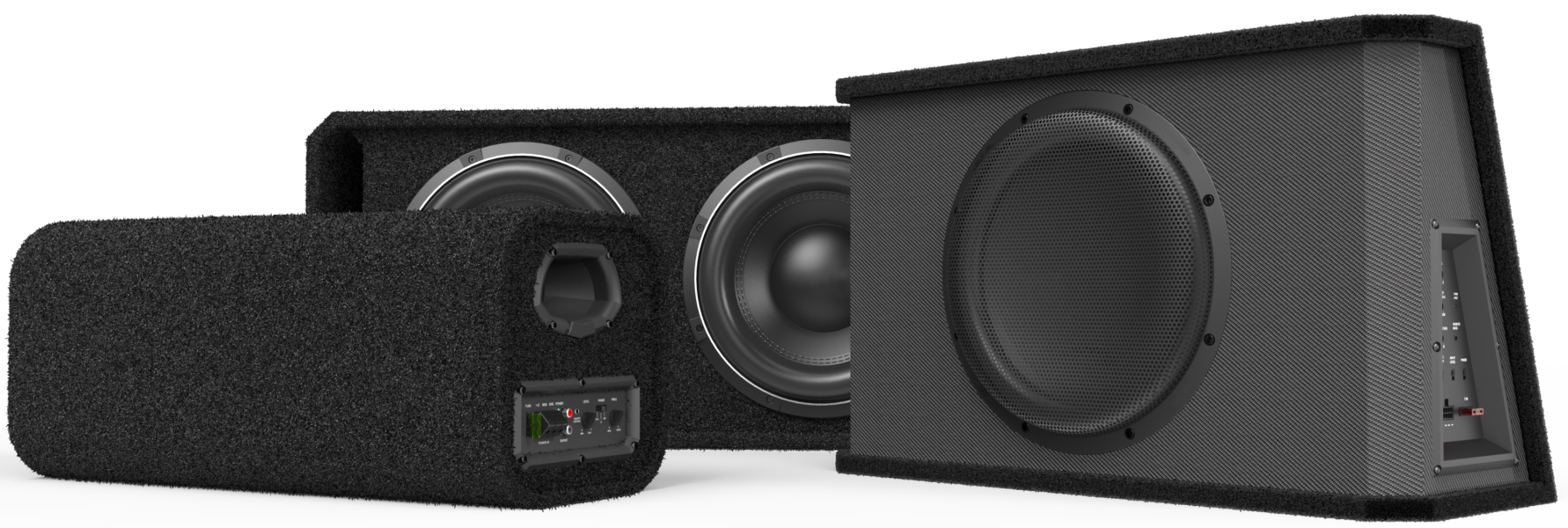
If you’re building a subwoofer box, MDF is generally considered the best option. Its uniform density allows for tight bass response and minimal distortion. Subwoofer enclosures require a material that dampens vibrations and minimizes resonance, making MDF the superior choice for subwoofer applications.
For Portable Speakers
If you need a portable speaker box, plywood is the better choice due to its lightweight nature and better durability. Whether you’re setting up for a live gig or need something that can be easily transported, plywood is ideal. Its resistance to moisture also makes it more suitable for outdoor use.
For High-Performance PA Speakers
For high-performance PA systems, especially those used in large venues or outdoor settings, both materials can be used, but plywood may be favored for its sound projection and resistance to the elements. If sound clarity and durability are top priorities, plywood might be your best choice, despite the higher cost.
For Budget-Conscious Projects
If you’re working on a budget or looking to make multiple speaker boxes, MDF offers cost-effective performance. While it’s heavier and less resistant to moisture, it still provides superb sound quality for most applications.
Looking to build custom automotive enclosures?
While choosing between MDF and plywood handles basic cabinet physics, designing for tightly integrated vehicle interiors requires advanced geometric engineering. Modern car cabins simply don't have the spare room for traditional square wooden boxes.
накрутка пф яндекс Анализ ПФ: ключ к улучшению сайта Регулярный анализ поведенческих факторов позволяет выявить слабые места сайта и принять меры по их устранению. Обратите внимание на показатели отказов, время, проведенное на страницах, и глубину просмотра. Эти данные помогут вам понять, что нравится пользователям, а что нужно улучшить.
купить металлическую черепицу Купить профнастил: универсальный материал для строительства Профнастил – это востребованный строительный материал, который используется для кровли, облицовки стен, возведения заборов и других конструкций. Его отличает легкость, прочность, долговечность и доступная цена.
экспресс типография типография быстро